 Prados Remodeling Service
A Clear Guide to Equipment That Helps Fix Ceiling Damage Safely
Ceiling damage often comes from leaks, cracking joints, or poor past fixes. These issues can spread fast when ignored. The right tools help you work safely above your head. They also help you finish faster. This guide explains what tools matter most. It also explains why each tool helps. You will learn how to plan work, avoid common mistakes, and control costs. The goal is clean results that last for years.
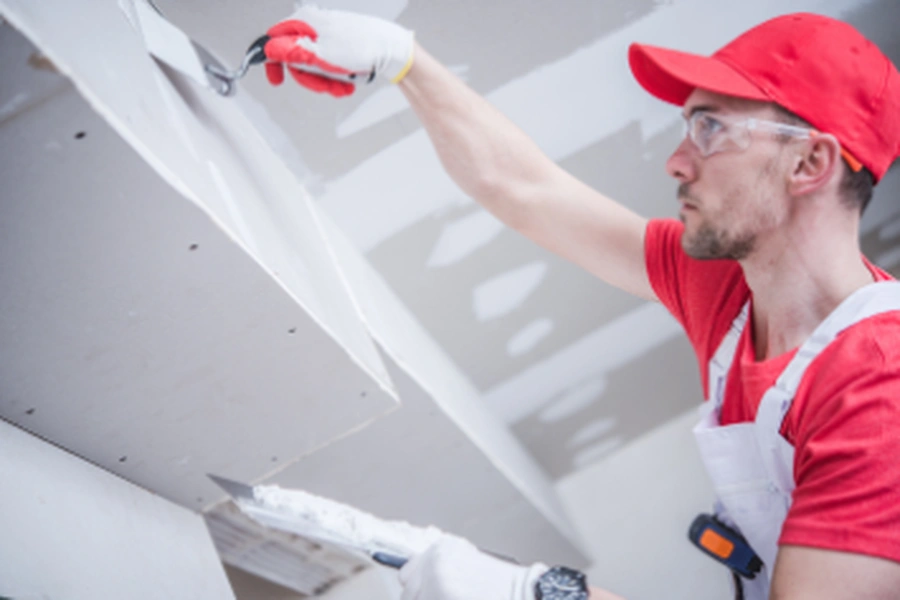
Why the Right Tools Matter for Overhead Projects
Working above shoulder level creates safety risks and fatigue. The right tools reduce strain and improve balance. Many failed jobs start without proper planning for drywall ceiling repair. Stable ladders, sharp blades, and smooth spreaders prevent uneven patches. Good tools also help control dust. That keeps your space cleaner. When tools match the task, patches bond better and dry evenly.
Common Ceiling Damage and How Tools Address Them
Ceiling problems vary by cause and size. Each issue needs a different approach. Drywall ceiling repair often fails when tools do not match the damage type. Hairline cracks need fine blades and mesh tape. Water stains need cutting tools and sealers. Sagging boards require strong anchors and drills. Using the wrong gear can waste time and materials.
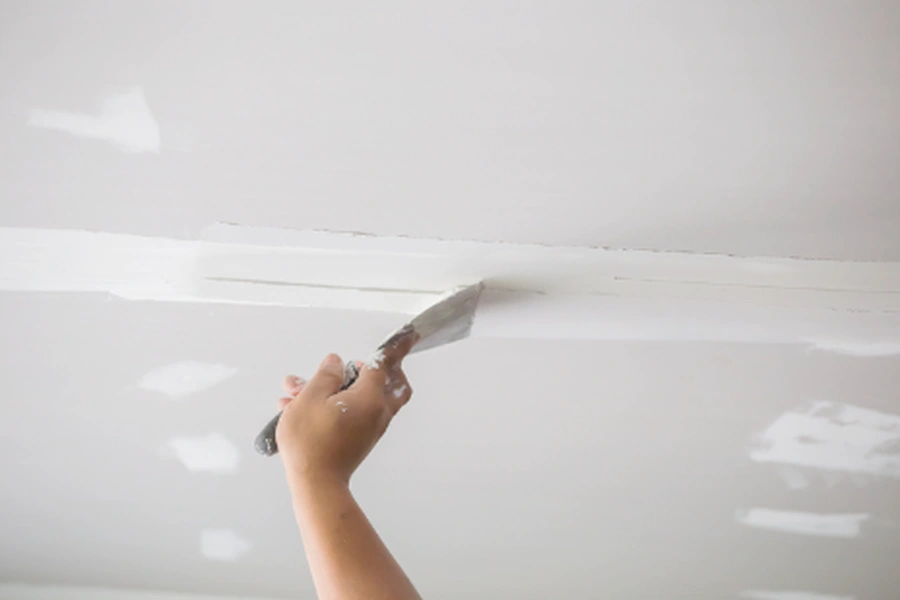
Core Hand Tools You Should Always Have
- Utility knife with replaceable blades for clean cuts
- Taping knives in 6-inch and 12-inch sizes for smooth compound
- Drywall saw for quick access holes and odd shapes
- Sanding sponge for controlled smoothing overhead
Power Tools and Access Gear Pros and Cons
- Power drills speed fastening but add weight overhead
- Drywall sanders reduce dust but need proper control
- Step ladders offer quick reach but limit movement
- Scaffolding improves balance but needs more space
A Simple Step-by-Step Workflow Using Essential Tools
- Inspect damage and mark loose areas with a pencil
- Cut away weak material using a sharp utility knife
- Fasten replacement board with a drill and anchors
- Apply tape and compound using wide knives
- Sand lightly after drying and check for smoothness
Best Practices That Improve Finish Quality
- Use lighter pressure to avoid ridges in compound
- Change blades often to prevent tearing paper
- Sand in stages instead of one heavy pass
- Use good lighting to spot flaws early
Industry Standards and Safety Basics
Most building codes require secure fastening and fire-rated boards. Many ceilings use Type X panels for fire resistance. Always check local code rules before starting. Safety glasses protect eyes from falling dust. Masks limit fine particle breathing. Stable ladders reduce fall risk. These standards protect both people and property.
Cost Factors and Long-Term Value
Tool costs vary based on quality and use frequency. Buying cheap knives often leads to poor edges. That causes more sanding later. Renting larger gear can lower upfront costs. Good tools also reduce rework. This saves compound and labor time. Over time, smart tool choices increase value and durability.
Get Started on Ceiling Surface Repairs With Confidence
Located in Moline, IL, we help property owners plan ceiling work the right way. Prados Remodeling Service focuses on safe methods and proper tool selection for lasting results. We handle projects of many sizes with consistent care. Call (563) 514-6664 to discuss timing, costs, and next steps. We work together to protect your space and restore smooth surfaces.