 Prados Remodeling Service
How Consistent Wall Surfaces Support Strength and Visual Balance With Buildings
Structural uniformity matters in both homes and commercial buildings. Walls that align well help support framing, finishes, and long-term use. Uneven surfaces can cause cracks, trim gaps, and stress on nearby materials. Many owners focus on framing but forget the layers that create smooth planes. When surfaces meet cleanly, loads spread evenly across walls and ceilings. This balance helps protect against movement over time. Understanding how finishing work affects structure helps you plan smarter builds and repairs. It also helps you avoid repeated fixes that cost time and money later.
Surface Alignment Starts With Careful Joint Treatment
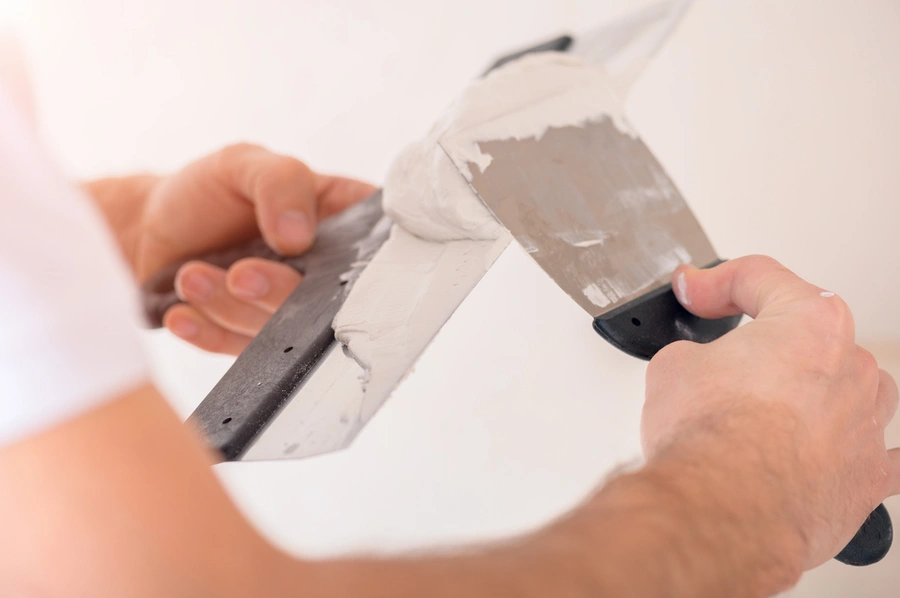
Early stages of drywall finishing set the tone for flat and even walls. Joint tape and compound bridge gaps between panels. This step controls how seams react to changes in humidity and load. When done right, seams act like a single plane instead of weak lines. drywall finishing at this stage supports uniform planes across long wall runs. This reduces shadow lines and uneven pressure points. Builders often see fewer nail pops and seam cracks when joints are treated with care.
Consistent Planes Reduce Stress Over Time
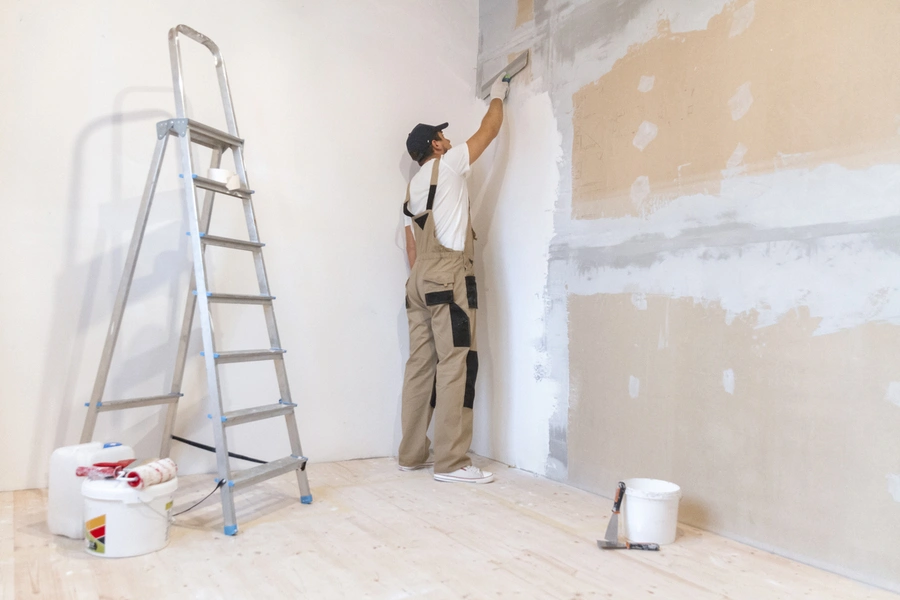
Structural stress builds when surfaces rise and dip. A second phase of drywall finishing smooths high and low spots. This creates even planes that help framing stay true. Flat walls support doors, cabinets, and trim without twist. Even minor waves can shift loads to one side. Over years, that shift can show as cracks or gaps. Uniform planes help spread weight and movement evenly. This results in longer-lasting walls and cleaner lines.
Key Benefits for Homeowners and Builders
- Improved wall strength through even load spread
- Fewer cracks at seams and corners
- Better fit for trim, cabinets, and fixtures
- Smoother paint results with less touch-up
Common Problems That Reduce Wall Uniformity
Many issues start with rushed work or poor tools. Uneven compound layers can hide seams but create bumps. Missed fasteners can push through later. Skipped sanding leaves ridges that disrupt flat planes. Moisture changes can worsen these flaws. Over time, small surface issues turn into visible cracks. These problems often lead to repeat repairs and added costs for owners.
Step-by-Step Process That Supports Even Results
- Secure panels tight to framing with correct spacing
- Apply tape evenly over all joints and corners
- Build compound layers in thin, even coats
- Sand lightly between coats to remove ridges
- Check walls with straight edges before paint
Best Practices Used by Skilled Crews
- Use quality compounds matched to room conditions
- Allow full drying time between coats
- Control dust and humidity during work
- Inspect surfaces under strong lighting
Industry Standards and Quality Expectations
Building codes and trade groups set clear finish levels. These levels define how smooth walls should be before paint. Commercial spaces often need higher levels due to lighting and use. Meeting these standards helps protect structure and appearance. Inspectors look for flatness, proper fastening, and clean joints. Following standards reduces risk during inspections and resale.
Cost Factors and Long-Term Value
Costs depend on wall size, finish level, and labor skill. Higher-quality surface work costs more upfront. It often saves money later by reducing repairs. Uniform walls also protect finishes like paint and tile. Owners see fewer callbacks and longer service life. This makes careful surface work a sound investment.
Comparing Outcomes Based on Surface Quality
- Pros of even surfaces: stronger walls, cleaner lines, fewer repairs
- Cons of uneven surfaces: cracks, stress points, repeated fixes
Next Steps for Reliable Wall Performance With Professional Support
Based in Moline, IL, we help property owners achieve walls that stay strong and even over time. Prados Remodeling Service focuses on proven methods that support lasting structural balance. Call (563) 514-6664 to discuss project goals and timelines. We guide planning, quality control, and finish standards to avoid repeat repairs and added costs.